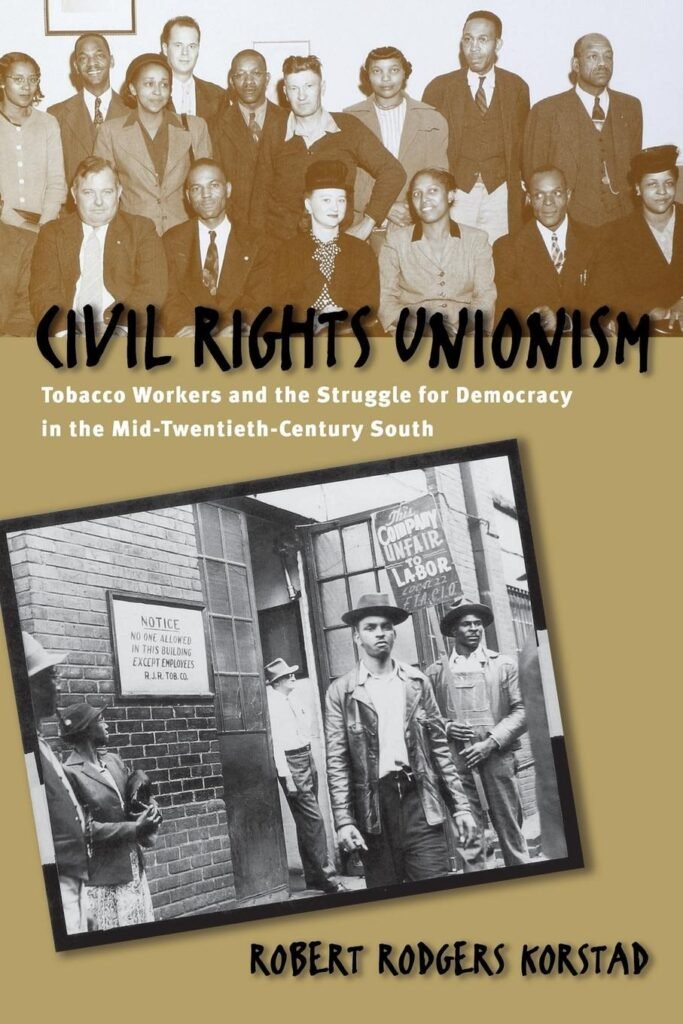
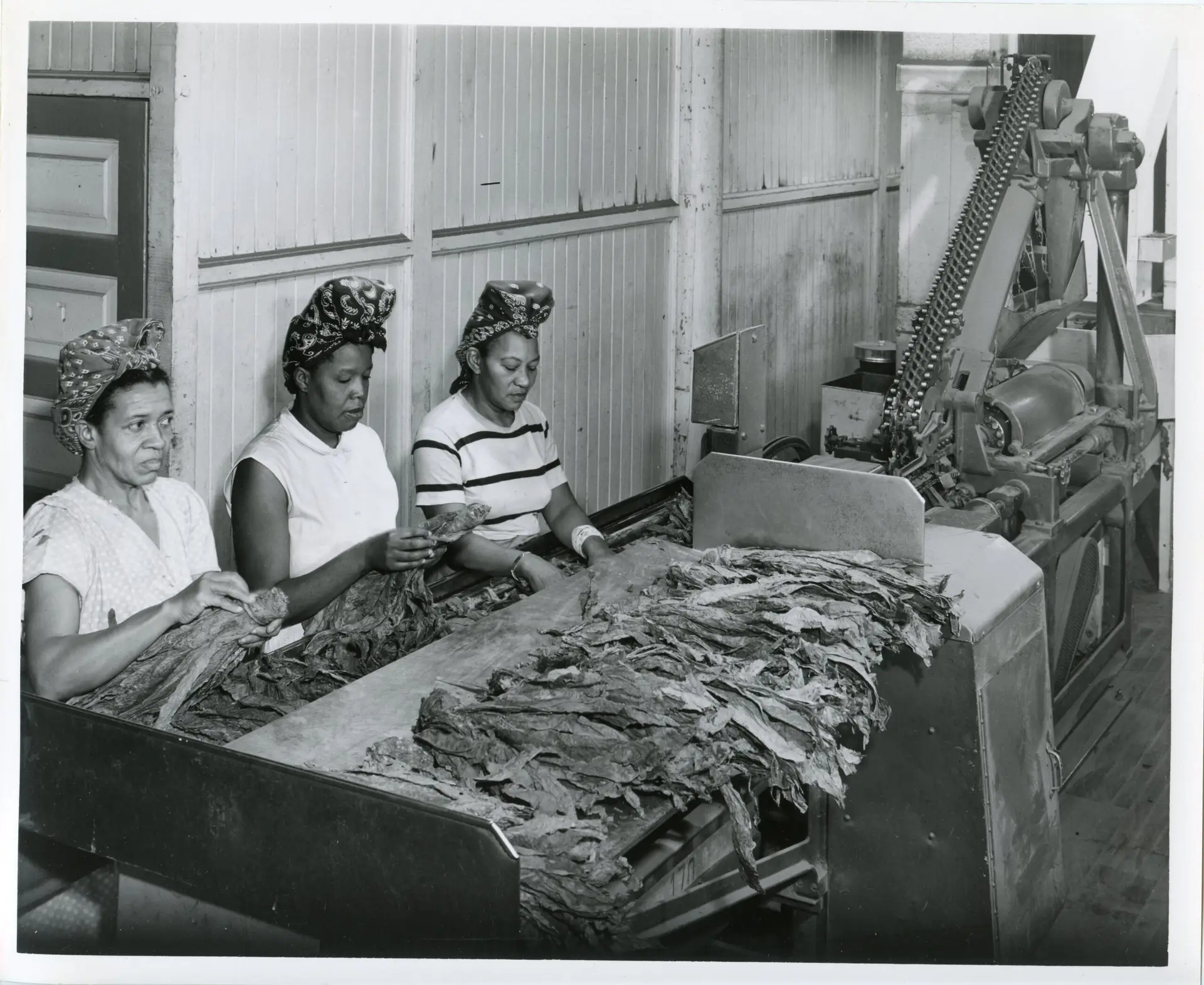
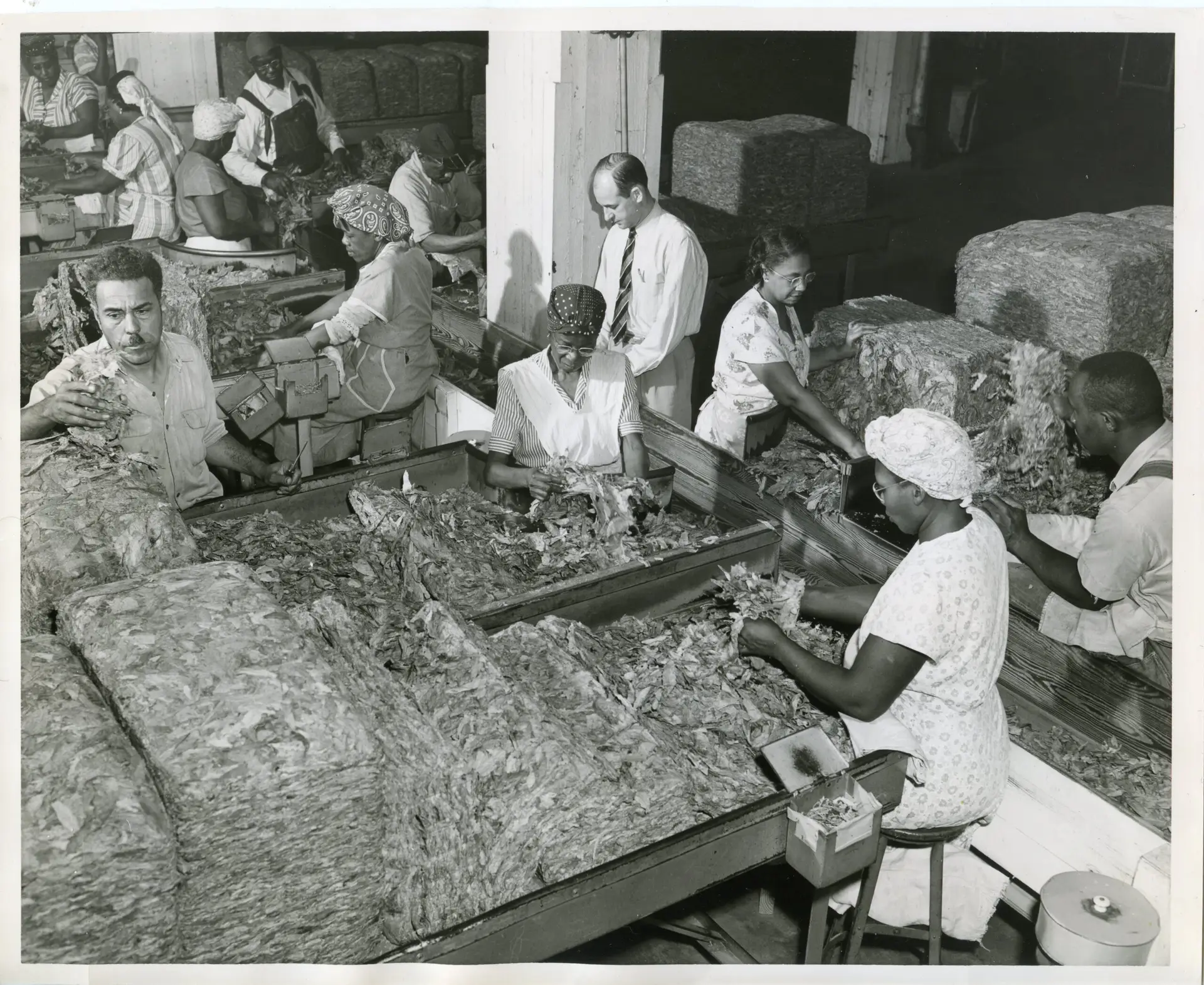
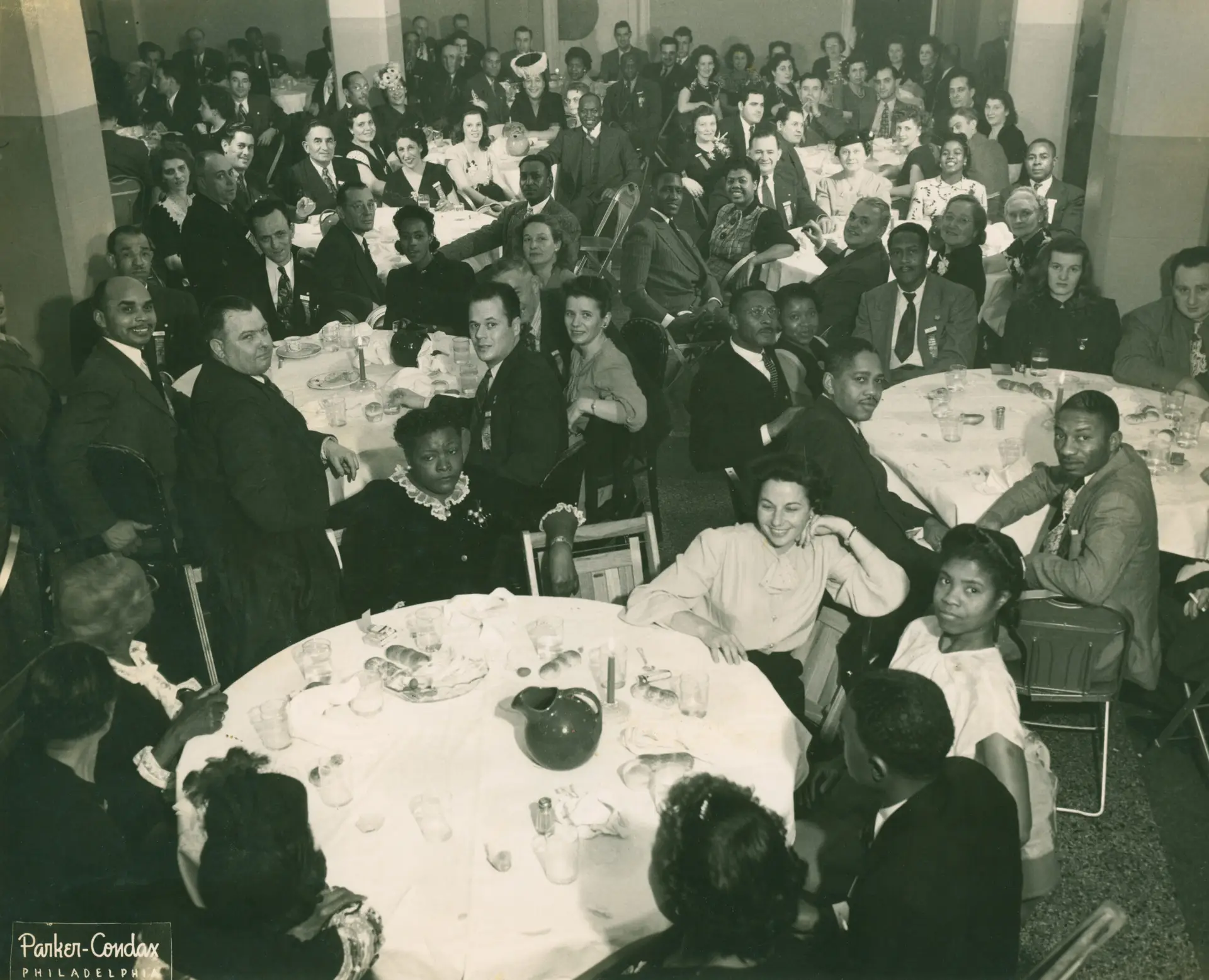
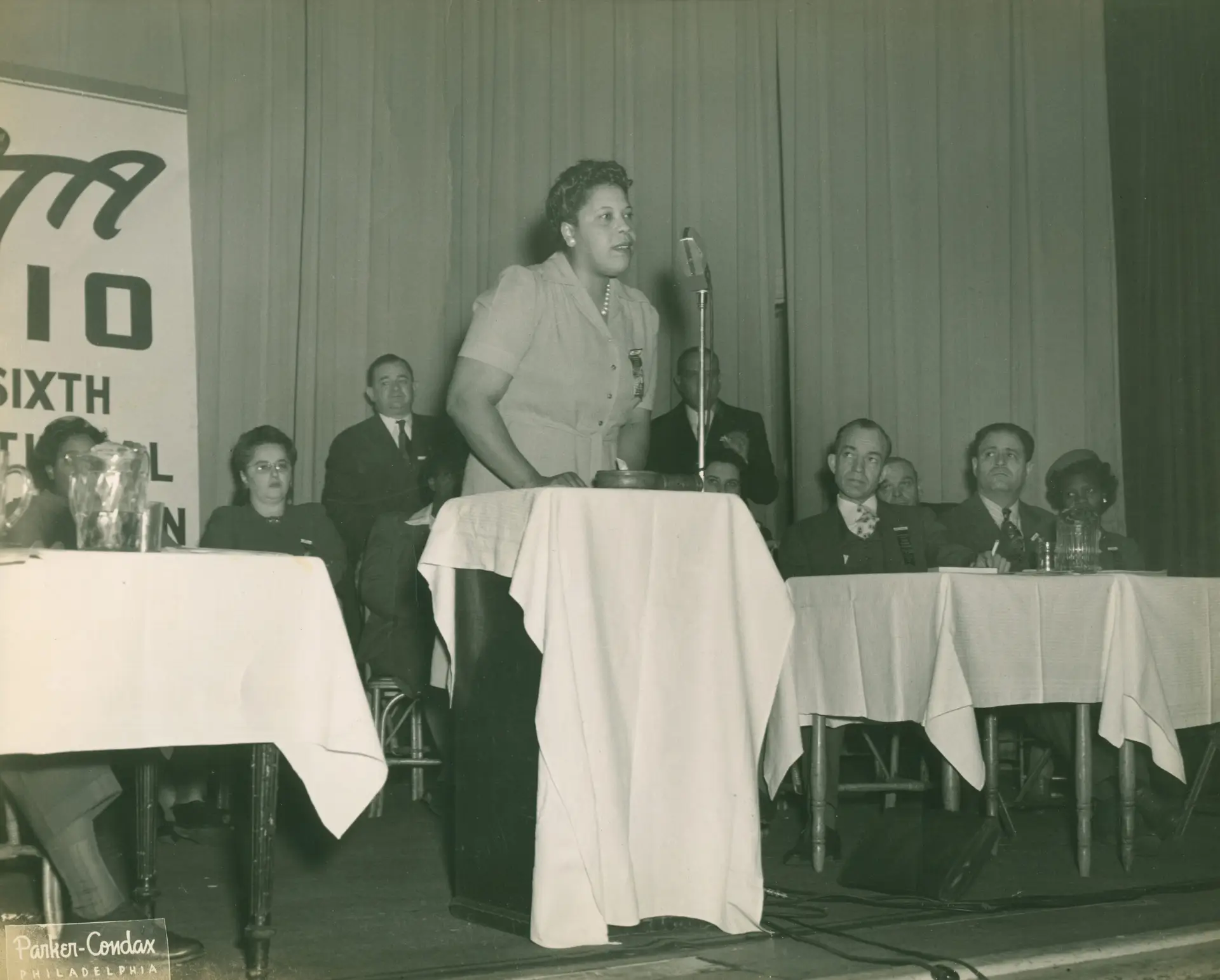
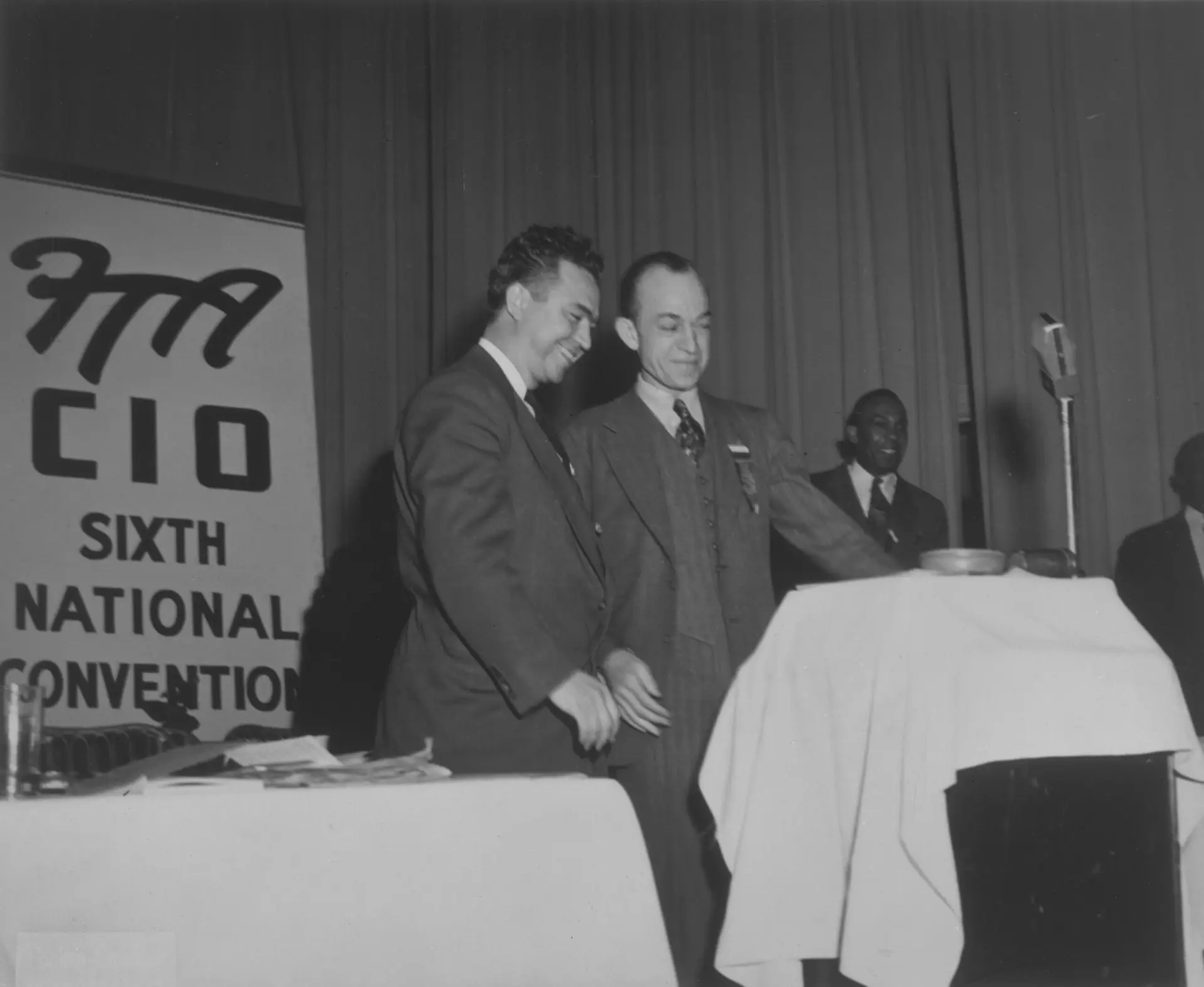
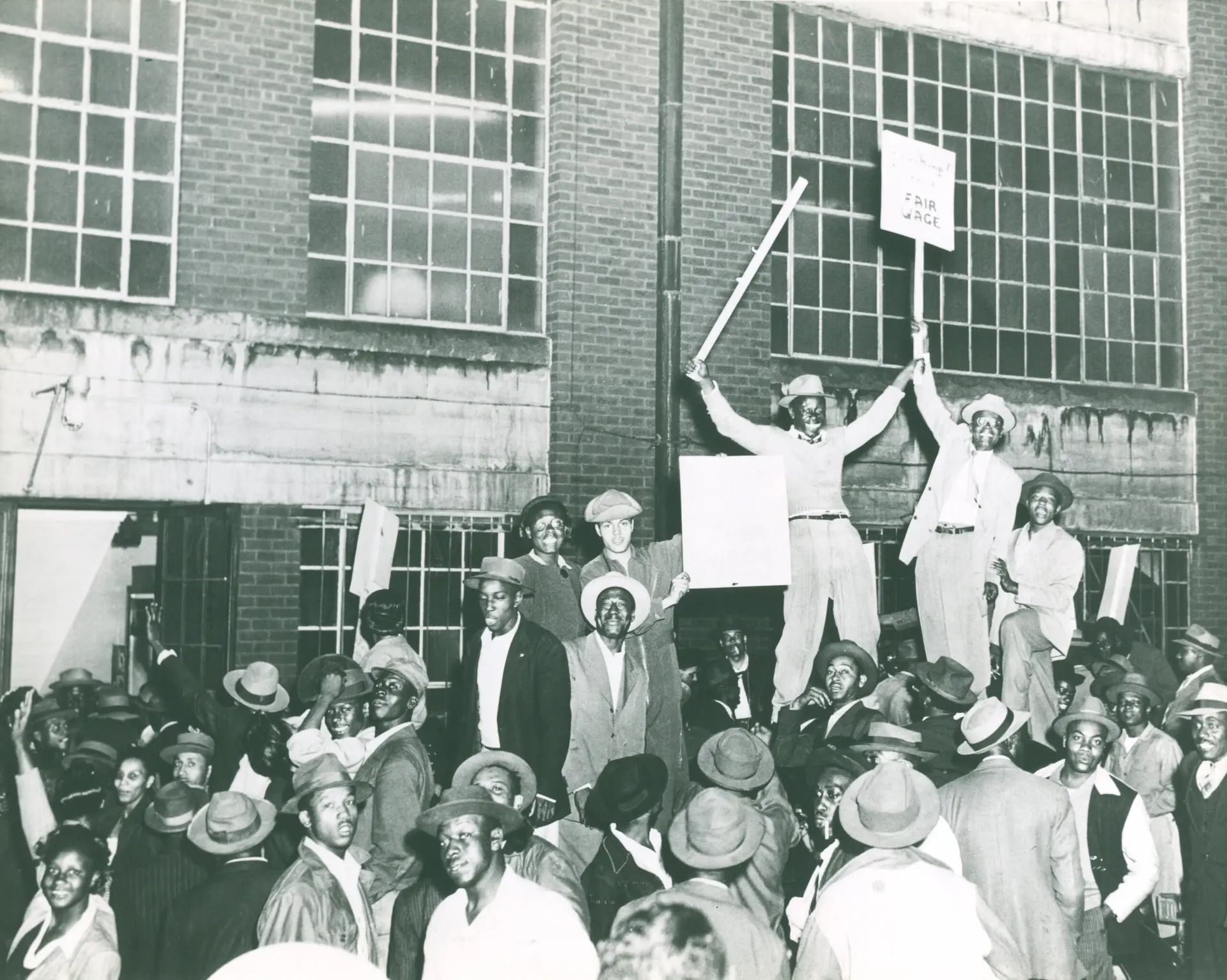
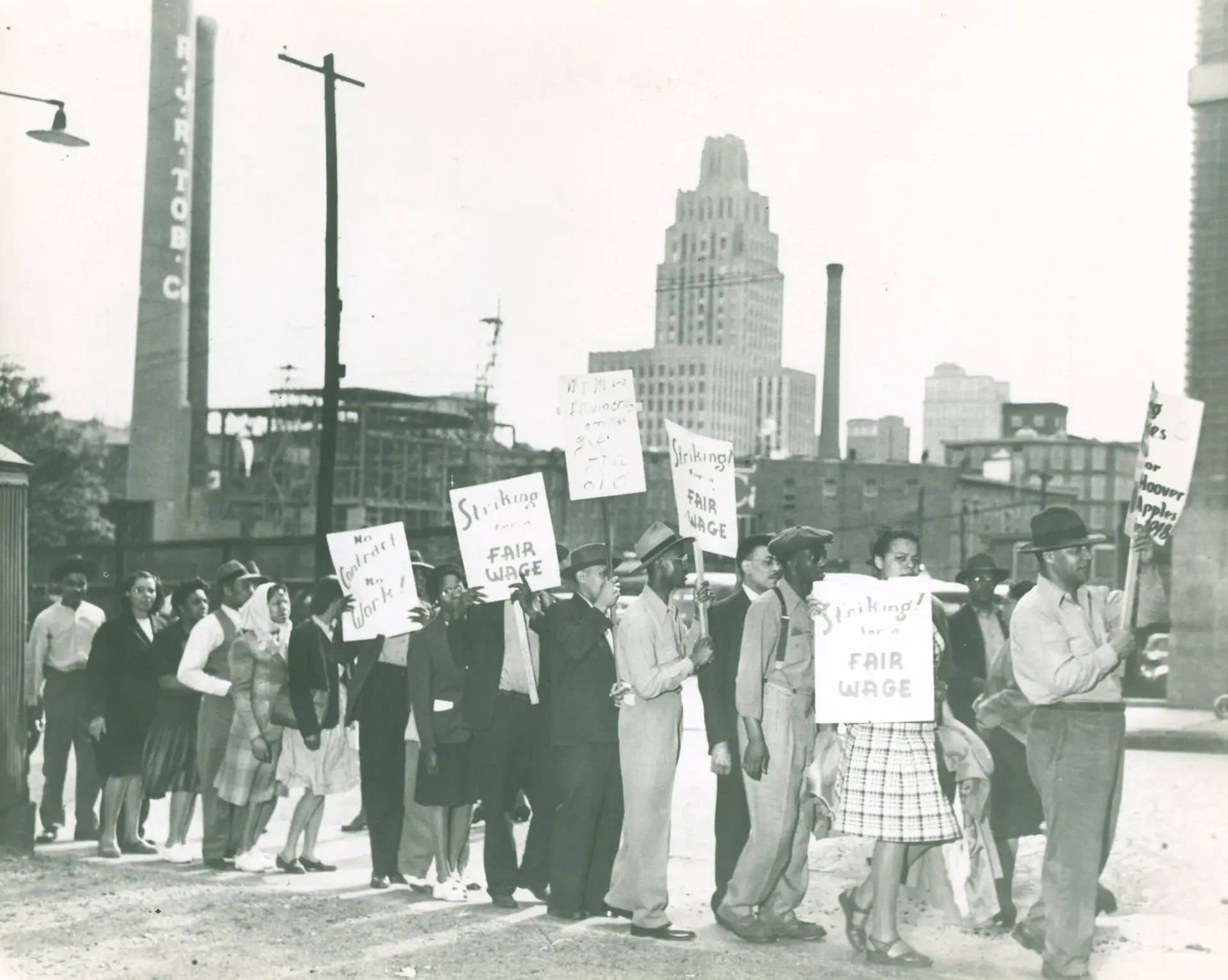
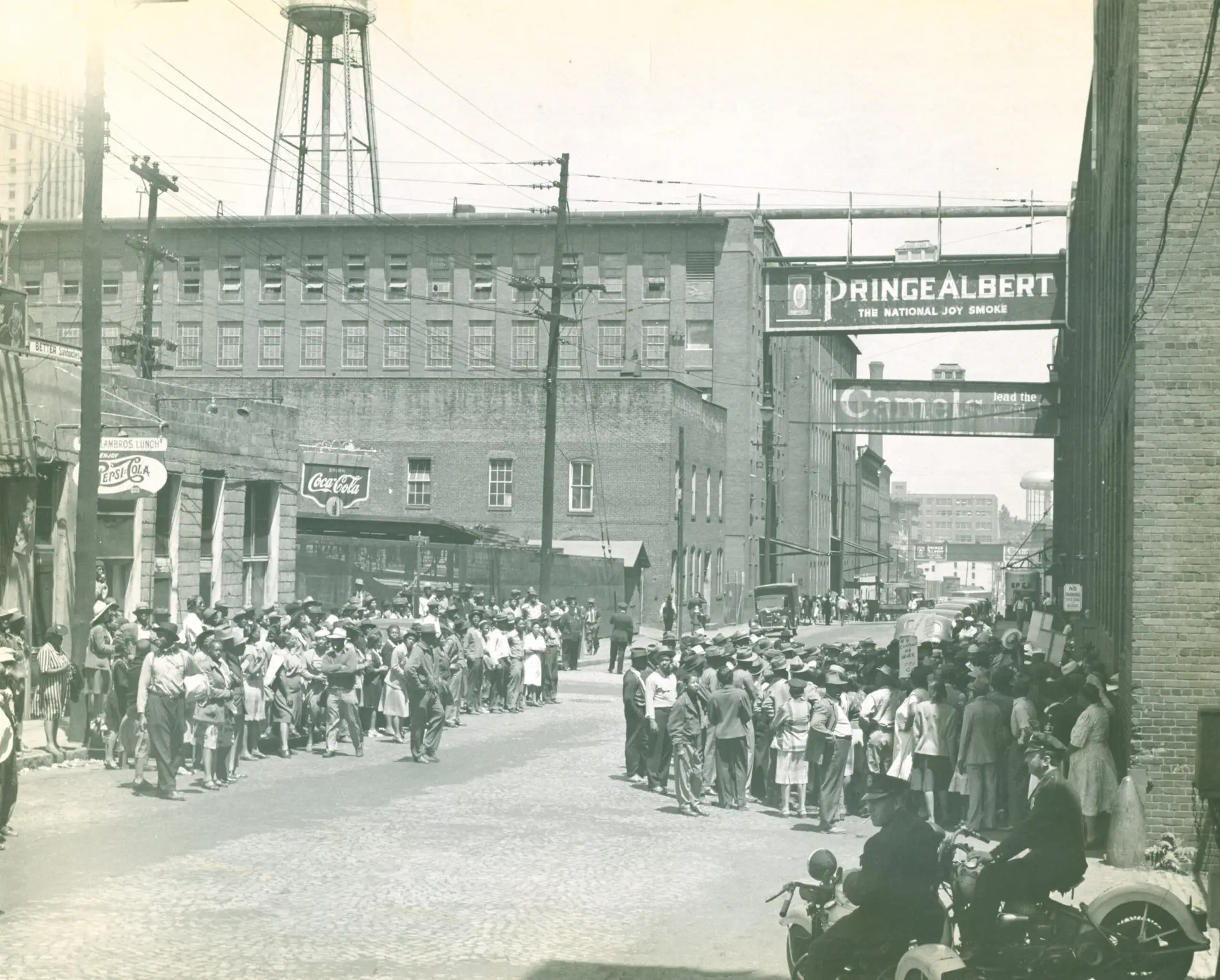
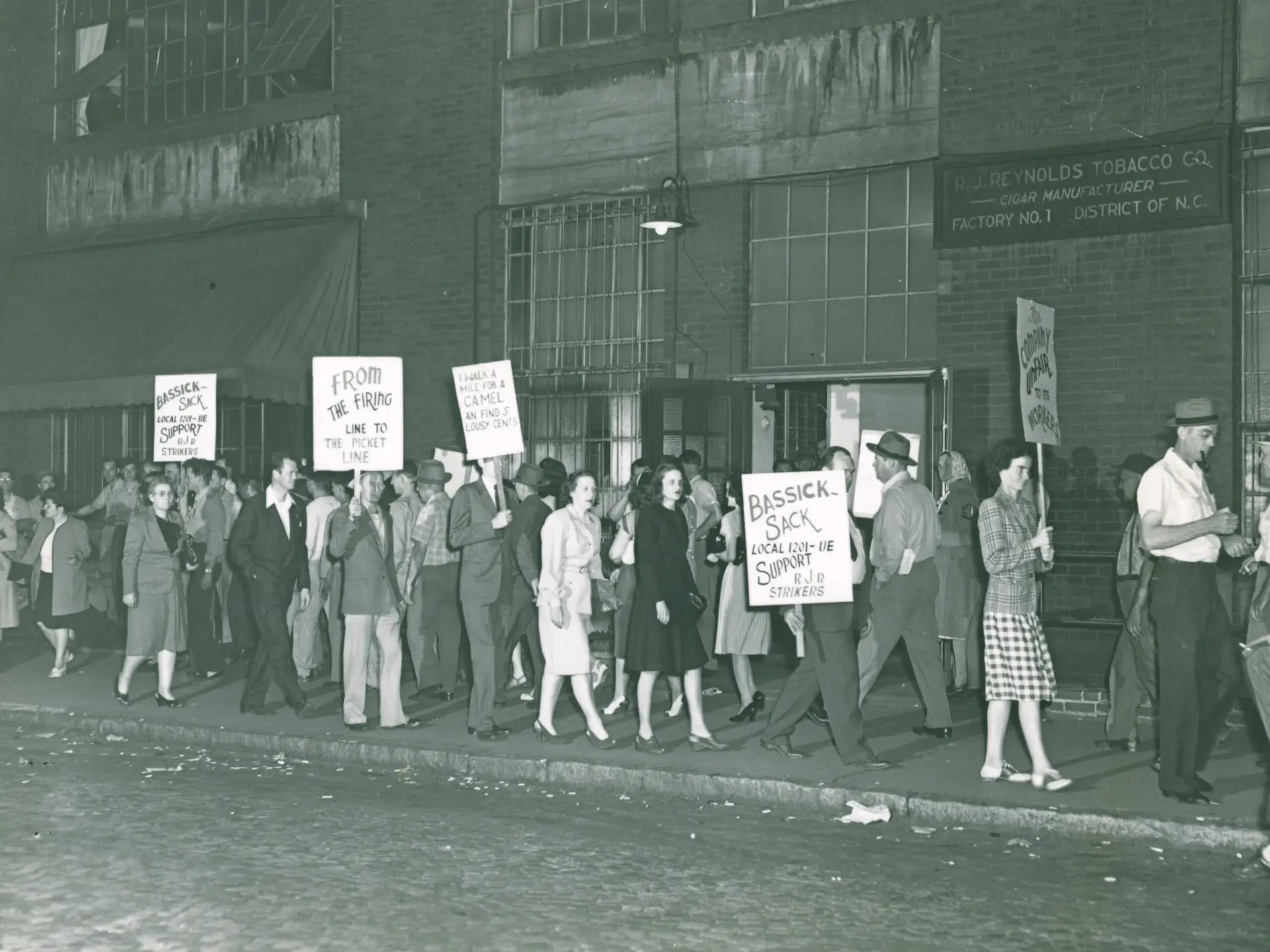
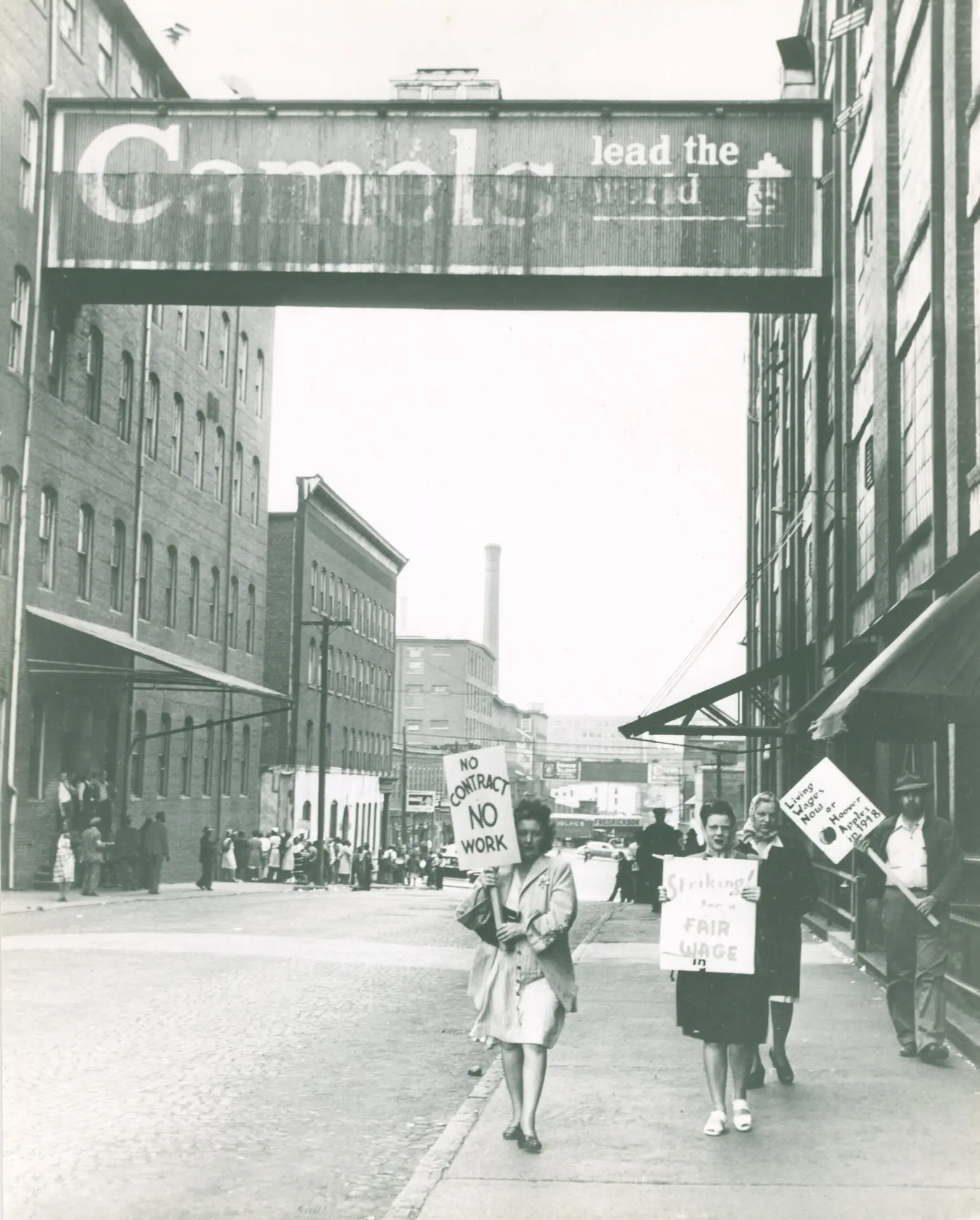
Drawing on scores of interviews with black and white tobacco workers in Winston-Salem, North Carolina, Robert Korstad brings to life the forgotten heroes of Local 22 of the Food, Tobacco, Agricultural and Allied Workers of America-CIO. These workers confronted a system of racial capitalism that consigned African Americans to the basest jobs in the industry, perpetuated low wages for all southerners, and shored up white supremacy.
Galvanized by the emergence of the CIO, African Americans took the lead in a campaign that saw a strong labor movement and the reenfranchisement of the southern poor as keys to reforming the South — and a reformed South as central to the survival and expansion of the New Deal. In the window of opportunity opened by World War II, they blurred the boundaries between home and work as they linked civil rights and labor rights in a bid for justice at work and in the public sphere.
But civil rights unionism foundered in the maelstrom of the Cold War. Its defeat undermined later efforts by civil rights activists to raise issues of economic equality to the moral high ground occupied by the fight against legalized segregation and, Korstad contends, constrains the prospects for justice and democracy today.
Praise for Civil Rights Unionism
“Well-researched and well-written . . . A major contribution to the current scholarship on labor history.” —American Communist History
“An exceptionally rich work of scholarship.” —Journal of American History
“A vitally important contribution to the fields of labor and African American history.” —New Labor Forum
“Korstad’s book sheds light on the decline of New Deal liberalism, the origins of the Civil Rights Movement, the development of interracial labor unions, and the coalescence of the Cold War consensus. . . . Leaves us with a richer understanding of how southern liberals fought back in the face of oppression and poverty. ” —Southern Historian
“The breadth of Korstad’s work is impressive and so is his ability to incorporate the broader historical context into the narrative of the Local [22]. . . . One of the many significant aspects of Korstad’s book is that he gives voice to the neglected history of African American women in the trade union movement.” —Left History
“To take the measure of Robert Korstad’s arguments in Civil Rights Unionism is to cast the civil rights movement in this bright new light.” —Industrial and Labor Relations Review
Awards
2004 Winner, H. L. Mitchell Award, Southern Historical Association
2004 Winner, Philip Taft Labor History Award, ILR School of CornellUniversity and Labor and Working Class History Association
2004 Winner, Liberty Legacy Foundation Award, Organization of American Historians
2004 Winner, Charles S. Sydnor Award, Southern Historical Association